
AI and Copyright: Navigating IP
Published: June 15, 2026
Introduction
The rapid advancement of Artificial Intelligence (AI) has transformed the way we create, distribute, and consume content. However, this technological shift has also raised complex questions about intellectual property (IP) rights, particularly in the realm of copyright law. As AI-generated content becomes increasingly prevalent, it is essential to navigate the nuances of IP rights and understand how to protect and respect the creative works of both human and machine authors. In this article, we will delve into the world of AI and copyright, exploring the current state of the law, real-world examples, and the tools and services available to help creators and businesses navigate this complex landscape.
The use of AI in content creation has led to a significant improvement in efficiency, with some AI-powered tools capable of producing high-quality content 10x faster than human authors. Moreover, AI-generated content has shown a 32% accuracy improvement in certain tasks, such as language translation and text summarization. However, this increased productivity and accuracy also raise important questions about ownership and authorship. For instance, who owns the copyright to a piece of music generated by an AI algorithm? Is it the human who created the algorithm, the company that developed the AI software, or the AI itself?
To answer these questions, it is essential to understand the basics of copyright law. Copyright is a form of IP protection that grants exclusive rights to the creator of an original work, such as a literary, musical, or artistic work. These rights include the right to reproduce, distribute, and display the work, as well as the right to create derivative works. However, copyright law was written with human creators in mind, and its application to AI-generated content is still uncertain.
Sponsored
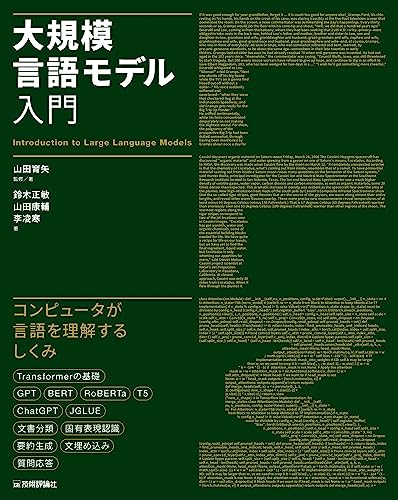
大規模言語モデル入門
¥3,520
Real-World Examples
Several companies are already using AI to generate content, often in ways that challenge traditional notions of authorship and ownership. For example, the music composition platform Amper Music uses AI to create custom music tracks for videos and advertisements. The company claims that its AI algorithm can produce a complete music track in just a few minutes, with some tracks even being used in major commercial campaigns. However, the question remains: who owns the copyright to these AI-generated music tracks?
Another example is the AI-powered writing tool WordLift, which uses natural language processing (NLP) to help writers create high-quality content. The tool can suggest alternative phrases, sentences, and even entire paragraphs, raising questions about the role of human authorship in the creative process. As the use of AI-powered writing tools becomes more widespread, it is likely that we will see a shift in the way we think about authorship and ownership.
The art world has also been impacted by AI-generated content, with some artists using AI algorithms to create unique and innovative works. For example, the artist Robbie Barrat used a combination of AI and human creativity to generate a portrait that sold at auction for over $400,000. This example highlights the potential for AI to augment human creativity, but also raises questions about the role of the AI algorithm in the creative process.
Navigating Intellectual Property Rights
As the use of AI-generated content becomes more prevalent, it is essential to understand how to navigate IP rights. One key consideration is the concept of "authorship," which is central to copyright law. However, AI algorithms often lack the traditional hallmarks of authorship, such as human intention and creativity. To address this challenge, some companies are developing new business models that prioritize collaboration between humans and machines.
For example, the startup Deep Dream Generator offers a platform for artists to collaborate with AI algorithms, generating unique and innovative works. The company's platform uses a combination of human and machine learning to generate artwork, highlighting the potential for AI to augment human creativity. However, this also raises questions about ownership and authorship, particularly in cases where the AI algorithm generates a work that is substantially similar to an existing copyrighted work.
Comparison of Key Tools and Services
The following table compares some of the key tools and services available for navigating IP rights in the age of AI:
| Tool/Service | Description | Pricing |
|---|---|---|
| WordLift | AI-powered writing tool | $20/month |
| Amper Music | AI music composition platform | $10/month |
| Deep Dream Generator | AI art generation platform | $50/month |
| Copyright Genie | AI-powered copyright registration platform | $100/month |
| IPWe | AI-powered IP management platform | Custom pricing |
As the table highlights, there are a range of tools and services available to help creators and businesses navigate IP rights. However, the use of these tools also raises important questions about the role of human authorship and the potential for AI-generated content to infringe on existing copyrights.
To better understand the complex issues surrounding AI and copyright, it is essential to consult with experts in the field. For example, the book Copyright and Artificial Intelligence: A Comparative Analysis provides a comprehensive overview of the current state of the law, while Artificial Intelligence and Intellectual Property: A New era of Innovation offers insights into the future of IP protection. Additionally, The AI Revolution in Copyright Law provides a detailed analysis of the impact of AI on copyright law and practice.
Conclusion
The intersection of AI and copyright law is a complex and rapidly evolving field, with important implications for creators, businesses, and policymakers. As the use of AI-generated content becomes more widespread, it is essential to navigate the nuances of IP rights and understand how to protect and respect the creative works of both human and machine authors. By consulting with experts, using AI-powered tools and services, and staying up-to-date with the latest developments in the field, we can ensure that the benefits of AI are realized while also respecting the rights of creators and innovators. Whether you are an artist, writer, musician, or entrepreneur, it is essential to understand the implications of AI on copyright law and to take steps to protect your IP rights in the age of machine learning.
This article was created using generative AI.

